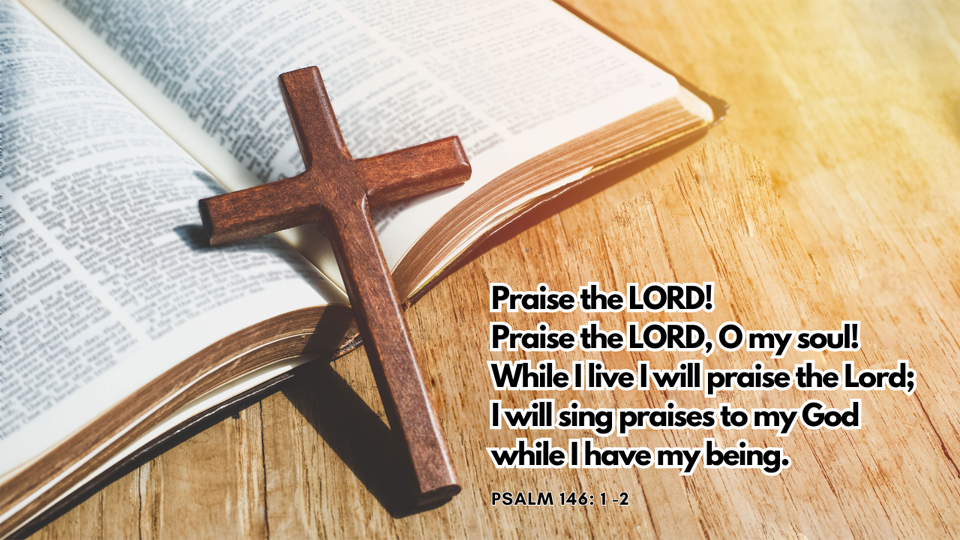
The prophetic call to true worship is a central theme throughout the Bible, particularly emphasized by the prophets of the Old Testament and echoed in the teachings of Jesus in the New Testament. This call underscores the importance of sincere, heartfelt devotion to God, coupled with a commitment to justice, mercy, and righteousness. This article explores the prophetic critiques of hypocritical worship, the emphasis on ethical living, and the profound concept of worshiping “in spirit and truth.”
Prophetic Critiques of Hypocritical Worship
The prophets of the Old Testament frequently critiqued the people of Israel for engaging in hypocritical worship. These critiques were not merely against the rituals themselves but against the disconnection between these rituals and the ethical and moral lives of the worshipers.
Isaiah’s Critique
Isaiah is particularly vocal about the emptiness of ritualistic worship that lacks genuine devotion and ethical conduct. In Isaiah 1:11-17, God, through the prophet, expresses disdain for the multitude of sacrifices offered by the people:
“What are the multitude of your sacrifices to me?” says the LORD.[a] “I have had enough of the burnt offerings of rams, and the fat of fed animals. I don’t delight in the blood of bulls, or of lambs, or of male goats. When you come to appear before me, who has required this at your hand, to trample my courts? Bring no more vain offerings. Incense is an abomination to me. New moons, Sabbaths, and convocations—I can’t bear with evil assemblies. My soul hates your New Moons and your appointed feasts. They are a burden to me. I am weary of bearing them. When you spread forth your hands, I will hide my eyes from you. Yes, when you make many prayers, I will not hear. Your hands are full of blood. Wash yourselves, make yourself clean. Put away the evil of your doings from before my eyes. Cease to do evil. Learn to do well. Seek justice, relieve the oppressed, judge the fatherless, and plead for the widow.”
Isaiah 1:11-17
Here, Isaiah highlights that God despises the rituals performed by people whose lives are marked by injustice and oppression. The true worship that God desires is one that is reflected in ethical living—seeking justice, relieving oppression, and caring for the vulnerable.
Amos’s Critique
Similarly, the prophet Amos speaks against the superficial worship practices of Israel. In Amos 5:21-24, God, through Amos, rejects the festivals and offerings of the Israelites, calling instead for justice and righteousness:
“I hate, I despise your feasts, and I can’t stand your solemn assemblies. Yes, though you offer me your burnt offerings and meal offerings, I will not accept them; neither will I regard the peace offerings of your fat animals. Take away from me the noise of your songs! I will not listen to the music of your harps. But let justice roll on like rivers, and righteousness like a mighty stream.”
Amos 5:21-24
Amos’s message is clear: God is not interested in religious ceremonies that are not accompanied by a commitment to justice and righteousness. True worship is inextricably linked to the ethical treatment of others and the pursuit of justice.
Emphasis on Justice, Mercy, and Righteousness in Worship
The prophetic call emphasizes that worship must be aligned with justice, mercy, and righteousness. This theme is woven throughout the prophetic literature, underscoring that true worship involves living out God’s commandments in everyday life.
Micah’s Call for Justice and Mercy
In Micah 6:6-8, the prophet distills what God requires from His people, moving beyond ritual sacrifices to a life characterized by justice, mercy, and humility:
“How shall I come before the LORD, and bow myself before the exalted God? Shall I come before him with burnt offerings, with calves a year old? Will the LORD be pleased with thousands of rams, with ten thousands of rivers of oil? Shall I give my firstborn for my disobedience, the fruit of my body for the sin of my soul? He has shown you, O man, what is good. What does the LORD require of you, but to act justly, to love mercy, and to walk humbly with your God?”
Micah 6:6-8
This passage succinctly captures the essence of true worship: it is not about the quantity of offerings but about the quality of one’s life—acting justly, loving mercy, and walking humbly with God.
Worshiping “In Spirit and Truth”
In the New Testament, Jesus reaffirms and deepens the prophetic call to true worship. In His conversation with the Samaritan woman at the well, Jesus introduces the concept of worshiping “in spirit and truth” (John 4:24):
“God is spirit, and those who worship him must worship in spirit and truth.”
John 4:24
This profound statement by Jesus emphasizes that true worship is not confined to specific locations or rituals but is a matter of the heart and mind. Worshiping “in spirit” means engaging with God on a spiritual level, beyond mere physical acts, while worshiping “in truth” involves sincerity and authenticity in one’s relationship with God.
Conclusion
The prophetic call to true worship is a timeless message that remains relevant today. It challenges believers to move beyond superficial rituals and to engage in a life of genuine devotion marked by justice, mercy, and righteousness. By critiquing hypocritical worship, the prophets of the Old Testament and Jesus in the New Testament call for a holistic approach to worship that integrates heartfelt spirituality with ethical living. True worship, as emphasized by the prophets and Jesus, is about aligning one’s life with God’s will, seeking justice, practicing mercy, and walking humbly with God.
Footnotes
a. 1:2 When rendered in ALL CAPITAL LETTERS, “LORD” or “GOD” is the translation of God’s Proper Name (Hebrew
“יהוה”, usually pronounced Yahweh).
Sources for Themes and Interpretations:
These sources provide a comprehensive understanding of the prophetic call to true worship, emphasizing the interconnectedness of worship, justice, mercy, and righteousness. |



Leave a reply