Worship in the New Testament

Worship in the New Testament reflects a shift from the ritualistic and temple-centric practices of the Old Testament to a more personal, heart-centered, and community-oriented expression. This article delves into the nature, forms, and significance of worship in the New Testament, supported by scripture references and scholarly insights.
Nature of Worship in the New Testament
Worship in the New Testament is fundamentally centered on Jesus Christ and is characterized by spirit and truth. In John 4:23-24, Jesus speaks to the Samaritan woman, emphasizing that true worshipers will worship the Father in spirit and truth:
“Yet a time is coming and has now come when the true worshipers will worship the Father in the Spirit and in truth, for they are the kind of worshipers the Father seeks. God is spirit, and his worshipers must
worship in the Spirit and in truth.”
John 4:23-24
This passage indicates a move away from specific locations and physical rituals to a more spiritual and truthful connection with God.
Forms of Worship
- Prayer: Prayer is a central component of worship in the New Testament. The Lord’s Prayer (Matthew 6:9-13) is a model for believers, teaching them to approach God with reverence, seek His kingdom, and depend on Him for daily needs. Paul’s letters frequently emphasize prayer, urging believers to “pray without ceasing” (1 Thessalonians 5:17) and to present their requests to God with thanksgiving (Philippians 4:6).
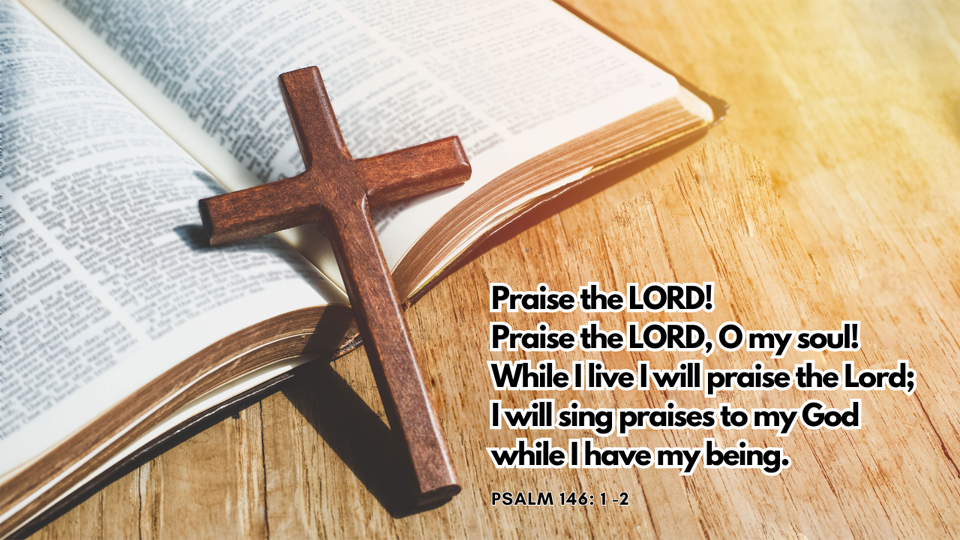
- Singing and Praise: Singing hymns and spiritual songs is a vibrant aspect of New Testament worship. In Ephesians 5:19, Paul encourages believers to “speak to one another with psalms, hymns, and songs from the Spirit. Sing and make music from your heart to the Lord.” Similarly, Colossians 3:16 highlights the importance of singing as a means of teaching and admonishing one another.
- The Lord’s Supper: Also known as Communion, the Lord’s Supper is a key act of worship instituted by Jesus during the Last Supper (Luke 22:19-20). It serves as a remembrance of Christ’s sacrifice and a proclamation of His death until He returns (1 Corinthians 11:26). This communal act is both a reflection of unity among believers and a profound expression of worship.
- Reading and Teaching Scripture: The New Testament highlights the importance of reading and teaching the Scriptures. Paul instructs Timothy to devote himself to the public reading of Scripture, to preaching, and to teaching (1 Timothy 4:13). This practice nurtures faith and equips believers for righteous living.
- Giving and Acts of Service: Generosity and service are integral to worship. Acts 2:44-45 describes the early believers selling their possessions to give to anyone in need, reflecting their devotion to God and one another. Paul commends the Philippians for their financial support, considering it “a fragrant offering, an acceptable sacrifice, pleasing to God” (Philippians 4:18).
Significance of Worship
Worship in the New Testament is significant for several reasons:
- Expression of Love and Devotion: Worship is an outpouring of love and devotion to God. The greatest commandment, according to Jesus, is to “love the Lord your God with all your heart and with all your soul and with all your mind” (Matthew 22:37).
- Community and Fellowship: Worship brings believers together, fostering a sense of community and mutual edification. Hebrews 10:25 emphasizes the importance of not giving up meeting together, but encouraging one another, particularly as the Day approaches.
- Spiritual Growth and Transformation: Worship leads to spiritual growth and transformation. Romans 12:1-2 urges believers to offer their bodies as a living sacrifice, holy and pleasing to God, which is their true and proper worship. This involves renewing their minds and not conforming to the pattern of this world.
- Witness to the World: Worship serves as a witness to the world of the believer’s faith and devotion. Jesus declares in John 13:35 that by the love believers have for one another, everyone will know that they are His disciples.
Conclusion
Worship in the New Testament is a multifaceted practice that encompasses prayer, singing, the Lord’s Supper, reading and teaching Scripture, and acts of generosity and service. It is centered on a heart-felt and spiritual relationship with God, fostered through personal devotion and community gatherings. By examining the various forms and significance of worship, believers can gain a deeper understanding and appreciation of their call to worship in spirit and in truth.
References |




Leave a reply