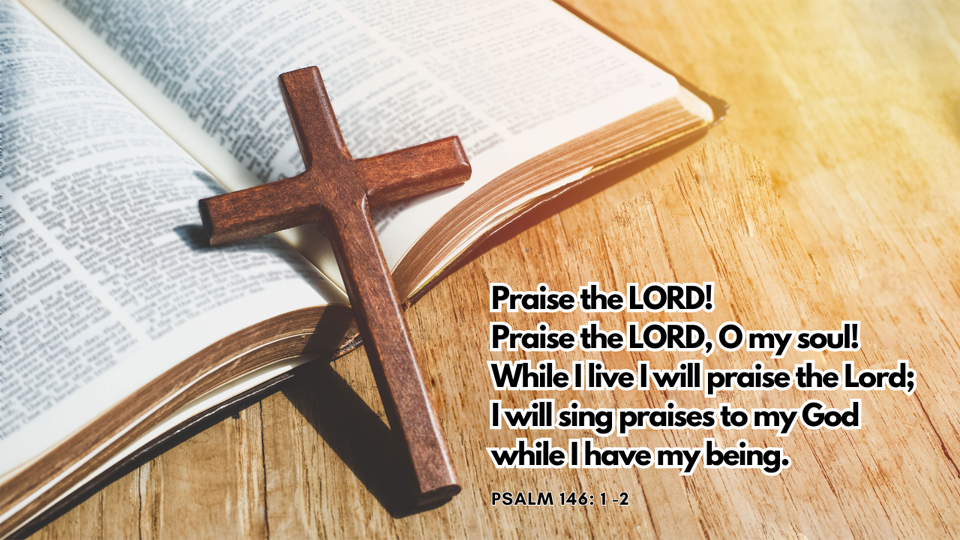
Praise him with the sounding of the trumpet, praise him with the harp and lyre,
praise him with timbrel and dancing, praise him with the strings and pipe,
praise him with the clash of cymbals, praise him with resounding cymbals.
Psalm 150: 3 – 5
Music has been an integral part of worship since ancient times, playing a significant role in expressing devotion, gratitude, and reverence to God. The Bible, both in the Old and New Testaments, provides numerous examples and directives regarding the use of music in worship. This article explores the multifaceted role of music in biblical worship, highlighting its importance and functions with scriptural references.
Music in the Old Testament
-
Creation and Celebration
- Jubal, the Father of All Who Play: Music’s roots can be traced back to the early chapters of Genesis. Jubal, a descendant of Cain, is mentioned as “the father of all who play the harp and flute” (Genesis 4:21). This early reference indicates the presence and significance of music from the earliest human societies.
- Miriam’s Song: After the Israelites crossed the Red Sea, Miriam, the prophetess, led the women with tambourines and dancing, singing a song of triumph (Exodus 15:20-21). This celebration highlights music as a means of expressing joy and gratitude for God’s deliverance.
-
Worship in the Tabernacle and Temple
- Levites and Musical Duties: In the tabernacle and later in the temple, the Levites were assigned specific duties, including the role of musicians. King David organized the Levites into groups to sing and play instruments as part of their worship duties (1 Chronicles 15:16; 1 Chronicles 25:1-8). This formalized the use of music in worship services.
- Instrumental Praise: Psalms, a book rich with musical references, repeatedly calls for worship with various instruments. Psalm 150 is a prime example, urging the use of trumpets, harps, lyres, timbrels, strings, pipes, and cymbals to praise God.
-
Prophetic and Healing Functions
- Elisha’s Prophetic Music: Music was also used in prophetic contexts. Elisha, when seeking a word from the Lord, asked for a harpist. As the harpist played, the hand of the Lord came upon Elisha, enabling him to prophesy (2 Kings 3:15).
- David and Saul: Music’s soothing and healing properties are illustrated in the relationship between David and King Saul. When an evil spirit tormented Saul, David played the lyre, bringing Saul relief and making the evil spirit depart (1 Samuel 16:23).
Music in the New Testament
-
Jesus and His Disciples
- The Last Supper: Music continued to play a role in the New Testament, evident in the life of Jesus and His disciples. After the Last Supper, they sang a hymn before going out to the Mount of Olives (Matthew 26:30; Mark 14:26). This moment underscores the practice of singing as part of spiritual gatherings.
-
Early Church Practices
- Paul and Silas: In the early church, music was used to express faith and hope even in dire circumstances. Paul and Silas, imprisoned in Philippi, prayed and sang hymns to God, leading to a miraculous earthquake and the conversion of the jailer (Acts 16:25-34).
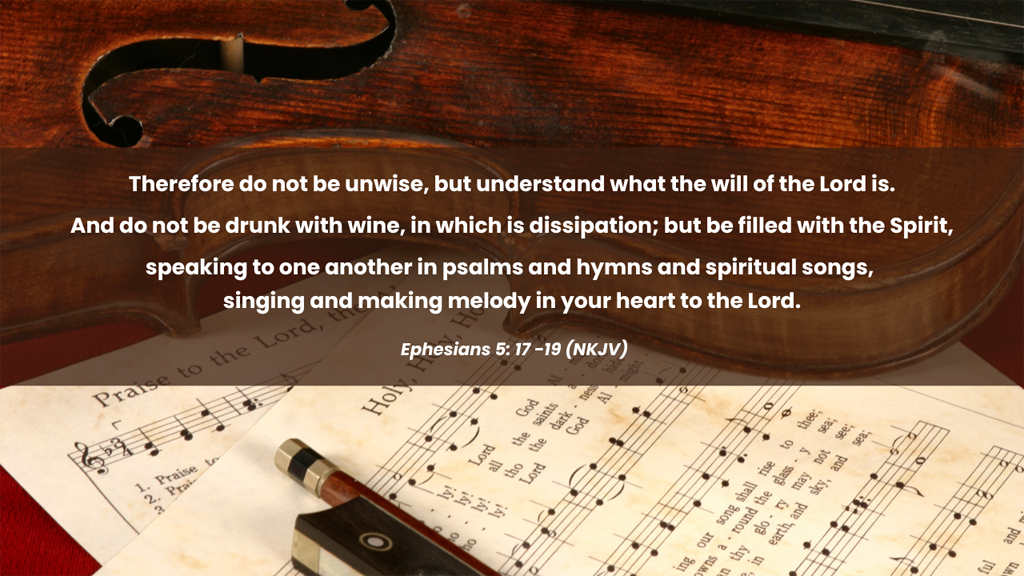
- Instruction to the Ephesians and Colossians: Paul explicitly encouraged the use of music in worship in his epistles. He instructed the Ephesians to “speak to one another with psalms, hymns, and songs from the Spirit. Sing and make music from your heart to the Lord” (Ephesians 5:19). Similarly, to the Colossians, he wrote, “Let the message of Christ dwell among you richly…through psalms, hymns, and songs from the Spirit, singing to God with gratitude in your hearts” (Colossians 3:16).
Theological Significance and Contemporary Application
Music in biblical worship is not merely about melody and harmony; it is deeply theological and spiritual. It serves as a medium to:
- Express Theology and Doctrine: Songs encapsulate and transmit core theological truths, as seen in the Psalms and New Testament hymns.
- Foster Unity and Community: Congregational singing brings believers together, creating a shared spiritual experience and reinforcing community bonds.
- Enhance Spiritual Experience: Music, by its nature, can touch the human soul deeply, aiding in spiritual reflection, repentance, and rejoicing.
In contemporary worship, the biblical principles of music remain relevant. Modern worship services often incorporate a variety of musical styles and instruments, reflecting the diversity and creativity of God’s people. The underlying purpose, however, remains the same: to glorify God and edify the congregation.
Conclusion
Music’s role in biblical worship is profound and multifaceted, encompassing expressions of joy, sorrow, triumph, and reverence. From the celebrations of Israel to the early church’s hymns, music has been a consistent and vital element in the worship of God. By studying and incorporating these biblical precedents, contemporary worship can continue to honor God through the powerful medium of music.
References
|




Leave a reply