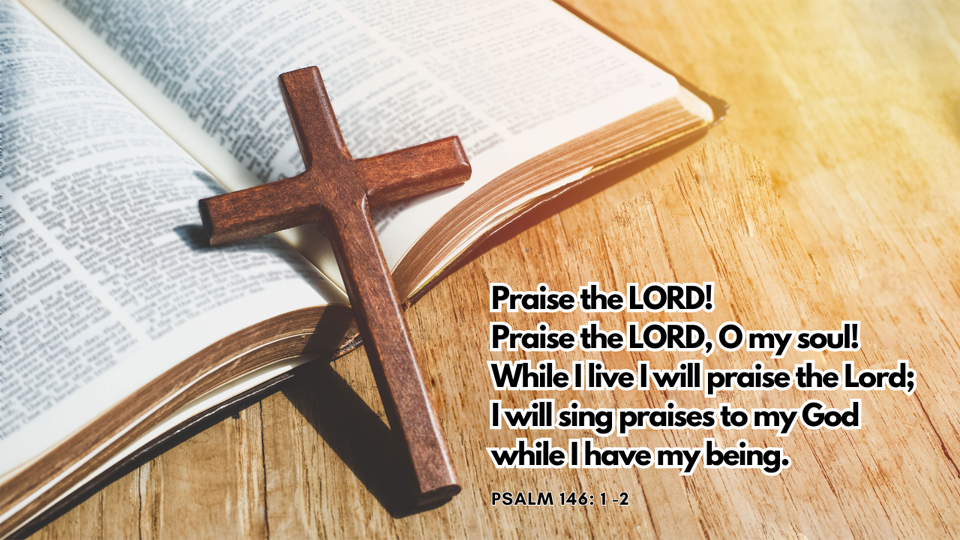
The Book of Psalms, a collection of 150 ancient hymns, has been a cornerstone of Jewish and Christian worship for millennia. Rooted in the Hebrew Bible, the Psalms serve as a profound source of spiritual expression, capturing a wide range of human emotions from despair to ecstasy. This article explores the role of Psalms in worship, their historical significance, and their enduring relevance in contemporary faith practices.
Historical Context and Significance
The Psalms, traditionally attributed to King David, were written over several centuries, with contributions from various authors including Asaph, the sons of Korah, and Solomon. These hymns were integral to the liturgical life of ancient Israel, used in both temple worship and private devotion. The structure of the Psalms, featuring parallelism and vivid imagery, reflects their poetic nature, making them suitable for chanting and singing .
The Role of Psalms in Jewish Worship
In Jewish tradition, the Psalms are a vital part of daily prayers and synagogue services. The book is divided into five sections, mirroring the five books of the Torah, signifying its importance in Jewish spiritual life. Specific Psalms are designated for particular days and festivals, such as Psalm 30 for Hanukkah[a] and Psalm 113-118, known as the Hallel,[b] recited during Passover,[c] Shavuot,[d] and Sukkot.[e]
The Psalms in Christian Worship
Christianity incorporates the Psalms into liturgical practices. The early Church Fathers, including Augustine and Jerome, emphasized the Psalms’ theological and spiritual depth, integrating them into the Liturgy of the Hours,[f] also known as the Divine Office. This practice continues in many Christian denominations, where Psalms are recited or sung in daily prayers, liturgies, and hymns. Modern, contemporary praise and worship songwriters often use the Psalms as the lyrical base in their songs.
Emotional and Theological Range
One of the unique aspects of the Psalms is their emotional and theological range. They articulate the depths of human sorrow (NIV – Psalm 22:1 “My God, my God, why have you forsaken me?”) and the heights of joy and gratitude (KJV – Psalm 98:4 “Make a joyful noise unto the Lord, all the earth!”). This versatility makes them relatable to worshippers across different cultures and eras, providing words for prayer and reflection in varied circumstances .
Contemporary Use of Psalms in Worship
In modern worship, the Psalms continue to be a powerful tool for spiritual expression and community building. Many contemporary Christian songs and hymns are based on Psalms, translating ancient texts into modern musical idioms. Churches often incorporate Psalm readings into their services, aligning them with liturgical calendars or sermon themes. Additionally, the practice of chanting Psalms, as in Taizé[g] worship, brings a meditative dimension to communal prayer .
Psalms in Personal Devotion
Beyond corporate worship, Psalms are a rich resource for personal devotion. Believers turn to them for comfort, guidance, and inspiration. The practice of “praying the Psalms” involves reading and meditating on these texts, allowing their words to shape one’s prayers and thoughts. This practice underscores the timeless relevance of the Psalms, as they continue to speak to the human condition in profound and meaningful ways .
Conclusion
The Psalms remain a vital element of worship, bridging ancient and modern spiritual practices. Their capacity to convey a broad spectrum of emotions and theological insights makes them an enduring source of inspiration for both communal worship and personal devotion. As believers continue to chant, sing, and pray these ancient hymns, the Psalms live on, fostering a deep connection between the divine and the human experience.
Footnotes
a. Hanukkah (also spelled Chanukah) is an eight-day Jewish winter festival, known as the “festival of lights.” It is celebrated with the lighting of the menorah each night, special prayers, and the enjoyment of fried foods.
b. Hallel (Hebrew for “Praise”) is the Jewish liturgical term for Psalms 113–118, also known as the “Egyptian Hallel.” These psalms are recited in synagogues during festive occasions. Historically, Jews recited these hymns during the three Pilgrim Festivals while offering their required sacrifices at the Temple of Jerusalem.
c. Passover, also known as Pesach, is a significant holiday in Rabbinical Judaism, Karaite Judaism, and Samaritanism. As one of the Three Pilgrimage Festivals, it commemorates the Exodus of the Israelites from slavery in ancient Egypt.
d. Shavuot, also known as Shavuos, is a two-day Jewish holiday celebrating the occasion when God gave the Torah to the Jewish people at Mount Sinai over 3,000 years ago.
e. Sukkot is a weeklong Jewish holiday celebrating the harvest and commemorating God’s miraculous protection of the Israelites during their exodus from Egypt.
f. The Liturgy of the Hours, also called the Divine Office or the Work of God (Opus Dei), is the Church’s daily prayer, which marks and sanctifies the hours of each day through prayer.
g. The Taizé Community (French: Communauté de Taizé) is an ecumenical Christian monastic community located in Taizé, Saône-et-Loire, Burgundy, France. It consists of around one hundred brothers from Catholic and Protestant traditions, hailing from approximately thirty different countries worldwide. https://www.taize.fr/en
References
|



Leave a reply